


Remote work has evolved from a niche perk to a widespread reality in tech. Accelerated by global events and empowered by cloud-based collaboration, many developers now start their careers with a remote job without ever stepping foot in a traditional office. But what does this shift mean for those just entering the field?

As a new software developer, choosing between remote and in-office work isn’t just about preference—it shapes your skill development, networking opportunities, career trajectory, and even your confidence.
This article examines the pros and cons of remote work for early-career software developers, helping you make an informed decision about where—and how—you want to launch your tech career.
The Rise of Remote Jobs in Tech
- Fully remote roles (distributed teams around the world)
- Hybrid setups (some days remote, some in-office)
- Remote-first cultures (default to remote, with optional offices or coworking spaces)
The Pros of a Remote Job for New Developers
1. Geographic Flexibility
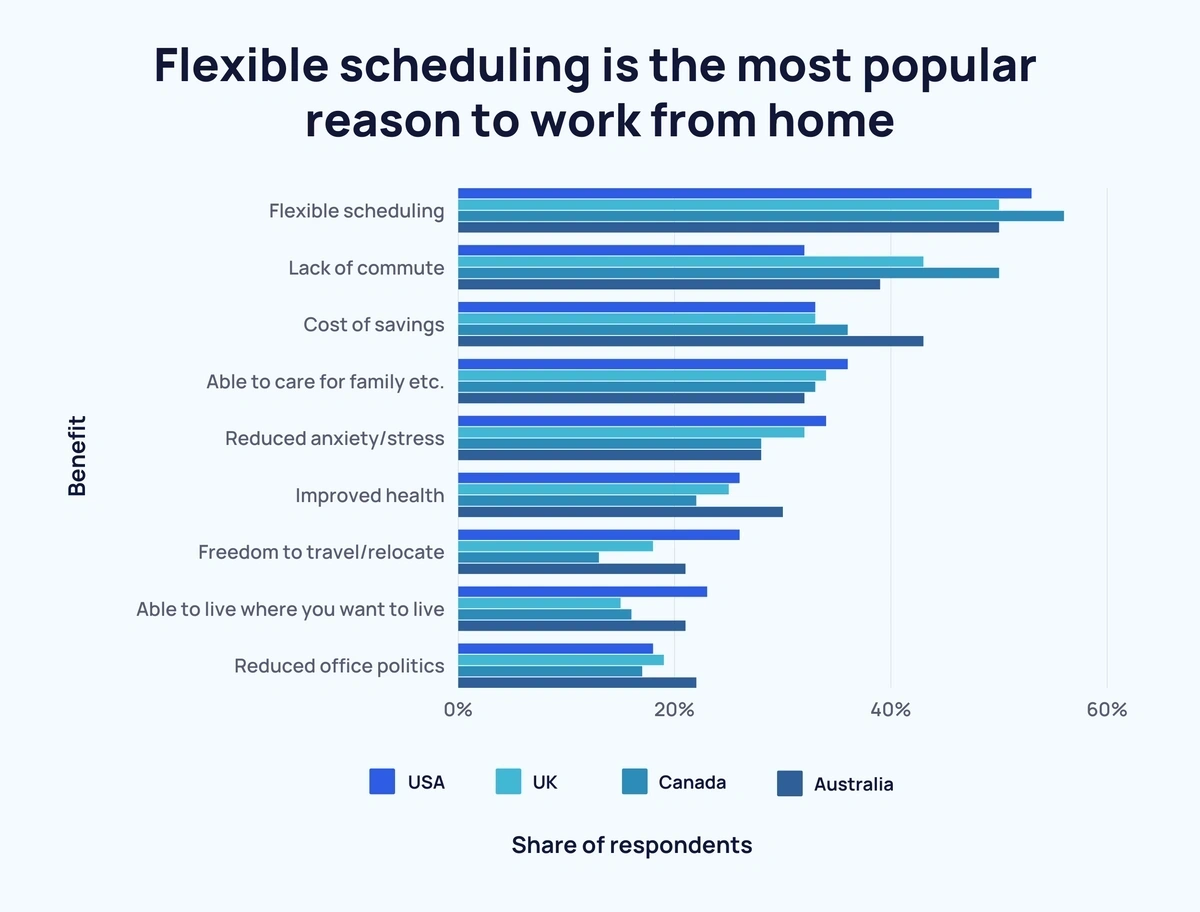
- You can work from anywhere—your hometown, another country, or while traveling.
- It opens up more job opportunities, especially for those outside urban centers.
- You can save money on housing, commuting, and meals.
2. Time Efficiency and Productivity
Without long commutes or office distractions, many developers report:
- Higher focus time for coding and debugging
- The ability to set customized work hours that align with their energy levels
- Space to develop deep concentration on complex problems
3. Comfort and Personalization
- Your desk, chair, and lighting
- Ambient music, room temperature, even snacks
- Break schedules that fit your focus cycles
4. Global Networking Opportunities
- Exposure to diverse work styles and cultures
- Learning how to communicate asynchronously and clearly
- Opportunities to join remote-friendly communities like Dev.to, Hashnode, or Discord coding groups
- Remote roles can expand your horizon well beyond your zip code—if you’re proactive about connection.
5. Skill Development in Modern Collaboration Tools
- Git and GitHub collaboration
- Project management tools like Jira, Linear, or Trello
- Async communication via Slack, Zoom, Notion, or Confluence
- CI/CD and cloud-based deployment flows (e.g., GitHub Actions, Netlify, AWS)
The Cons of working on a Remote Job for New Developers
1. Lack of In-Person Mentorship
- Tap a coworker’s shoulder and ask a question
- Overhear helpful discussions and workflows
- Get impromptu code reviews and architecture walk-throughs
- Learn how teams really collaborate behind the scenes
- Fear of “asking too many questions”
- Lack of contextual learning through osmosis
- Without guidance, even simple bugs or confusion about the process can become roadblocks.
2. Onboarding Challenges
- Relying on documentation (which may be out of date or incomplete)
- Navigating codebases and tooling without real-time help
- Missing informal introductions to teammates and culture
- If a company doesn’t have strong onboarding, new developers can feel adrift, isolated, or unsure of expectations.
3. Limited Networking and Career Visibility
- Personal connections with cross-functional teams
- Face time with managers and decision-makers
- Visibility during promotions and performance reviews
- Remote workers—especially juniors—may struggle with:
- Feeling like a “nameless Slack avatar”
- Missing informal praise or recognition
- Being overlooked for stretch opportunities

4. Communication Gaps and Feedback Loops
- Misunderstandings happen more in remote setups due to:
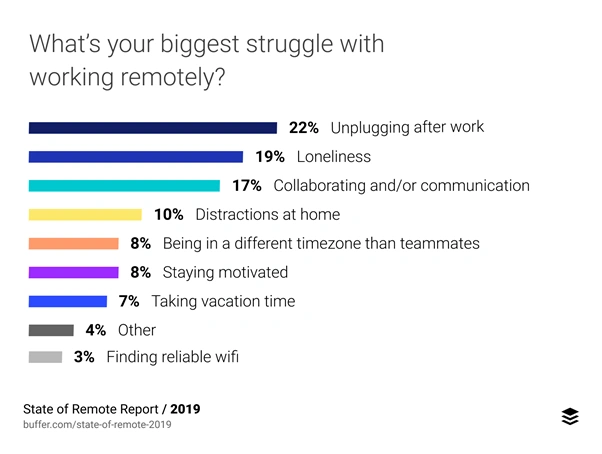
- Text-based communication losing tone and nuance
- Time zone differences slowing feedback
- Fewer spontaneous syncs or clarifying moments
- Misread comments or guidance
- Receive code reviews without enough context
- Feel anxious about whether they’re meeting expectations
- Remote devs must learn to over-communicate, ask follow-up questions, and document thoroughly to avoid confusion.
5. Isolation and Motivation Struggles
- Work-from-home life can get lonely, especially when:
- You’re not yet confident in your skills
- You’re unsure who to reach out to for help
- You miss the camaraderie of shared wins or coffee chats
- Mental health can take a hit when:
- Days blur together
- You rarely get social stimulation
- You lack small moments of validation or mentorship
Tips for Thriving on a Remote Job as a New Developer
1. Create a Dedicated Work Zone
- Even a small desk and good chair can help you mentally shift into “work mode.”
- Invest in a monitor and ergonomic setup
- Use noise-canceling headphones to stay focused
- Set rituals for starting and ending your workday
2. Ask Questions Early and Often
- Don’t suffer in silence.
- Most mentors want to help—you just need to reach out
- Use Slack threads, async Loom videos, or comments on pull requests
- Proactively schedule 1:1s with your manager or teammate
- It’s better to ask 20 small questions than to get blocked for 3 days.

3. Document Your Progress
- Features you’re working on
- Things you’ve learned
- Questions that remain
- Contributions to discussions, PRs, or testing
- This makes your work visible and is valuable during reviews.
4. Join External Tech Communities
- Discord servers for devs
- Reddit forums like r/learnprogramming
- Online events, webinars, and hackathons
- Community gives you perspective, support, and camaraderie you may miss from an office.
5. Balance Isolation With Intentional Socializing
- Chat casually with coworkers on Slack
- Join optional game hours or watercooler Zooms
- Step away for lunch or coffee in your neighborhood
- Mental energy is part of professional growth—protect it.
Remote vs. In-Office: Which Should You Choose as a New Developer?
| Criteria | Remote Work | In-Office Work |
| Learning by osmosis | Limited | High- learn from overhearing and proximity |
| Access to mentorship | Requires initiative | More available through organic interaction |
| Work-life flexibility | High | Structured by commuting and scheduling |
| Visibility for promotion | Requires proactive communication | Easier via in-person presence |
| Cultural immersion | Variable | Stronger team bonding and rituals |
| Speed of feedback | Delayed or asynchronous | Often instant |
| Commute, cost, and location | Minimal | Adds time and cost, may require relocation |
| Team diversity | Often more globally distributed | Limited to the office location |
Final Thoughts: There’s No “One Size Fits All”

For first-time developers, hybrid setups may offer the best of both worlds—in-person mentorship with some flexibility. But if remote is your only option? Don’t worry. Many new developers succeed from home, with the right mindset, structure, and communication habits.
The key is to treat your early career like what it is: a launch phase, where feedback, visibility, and momentum matter more than comfort. Make intentional choices, seek out support, and don’t be afraid to ask for help.
Whether you’re working from your bedroom, a shared coworking space, or a corporate headquarters, your early years as a developer are about one thing: growing into a confident, capable engineer.
That means seeking feedback, documenting your progress, asking thoughtful questions, and reflecting on how you work best. Remote work can make those things harder—but not impossible. And for many, the flexibility and autonomy it provides are well worth the trade-offs.
Ultimately, whether you’re remote, hybrid, or in-office, what matters most is:
- Learning continuously
- Collaborating effectively
- Building things that solve real problems
- Earning the trust of your team
The environment is just the setting. The growth? That’s all you.
That’s where SynergisticIT comes in.
As a new software developer—especially one navigating a remote Job, an onsite role or hybrid roles—you need more than just tutorials and certification badges. You need structured mentorship, hands-on project experience, real-world tooling, and most importantly: a path to getting hired.
SynergisticIT is built specifically to launch tech careers from the ground up. Their job-focused programs cover everything a new developer needs to thrive in today’s market:
Practical, full-stack training in Java, Python, cloud, and DevOps
- Remote collaboration experience through version control, Git workflows, and cloud deployments
- mentorship and code reviews to simulate in-office learning—even when you’re remote
- Mock interviews and behavioral coaching to sharpen communication, confidence, and interview fluency
- Resume, LinkedIn, and GitHub optimization to make your work visible and ATS-friendly
- Direct recruiter connections and job placement support that continue until you land a role