


- What backend development is
- What full stack development entails
- Which role is more in demand
- And how SynergisticIT’s Job Placement Program helps jobseekers land high-paying roles in both domains
What Is Backend Development?
Backend development refers to the server-side of web applications—the engine room that makes everything on the user-facing side function smoothly. While users interact with the frontend (buttons, forms, and visuals), the backend handles the behind-the-scenes processes like storing data, running business logic, and responding to requests. Without backend development, the frontend would just be static pages with no real functionality.
In fact, according to a 2024 Statista report, backend developers make up nearly 40% of the global developer workforce, highlighting how essential their role is in building and maintaining scalable applications.
Responsibilities of a Backend Developer
- Building APIs that connect the frontend to the database
- Managing databases and ensuring data integrity
- Implementing business logic and application workflows
- Ensuring security, scalability, and performance
- Integrating third-party services like payment gateways or cloud storage
Common Backend Technologies
Backend developers are the architects of functionality. They ensure that when a user clicks “submit,” the data is processed, stored, and returned correctly.
| Language | Framework | Database | Tools |
| Java | Spring Boot | MySQL, PostgreSQL | Git, Docker |
| Python | Django, Flask | MongoDB | AWS, Jenkins |
| Node.js | Express.js | Redis | Kubernetes, NGINX |
What Is Full Stack Development?
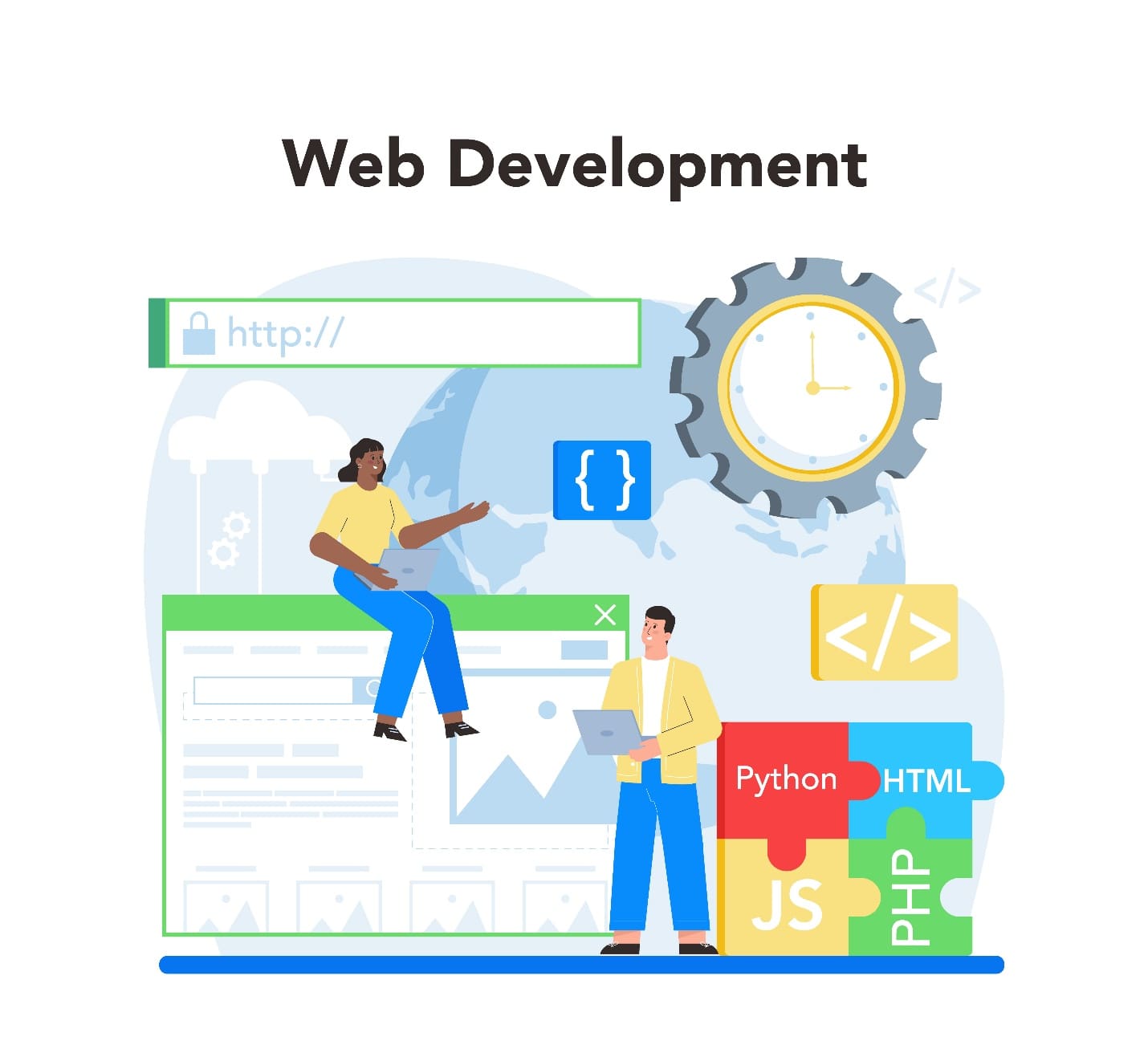
According to the 2024 Stack Overflow Developer Survey, 46% of developers identify as full stack, making it one of the most in-demand skill sets in the tech industry. Companies value this versatility because it allows a single developer to handle multiple parts of a project—saving time, improving collaboration, and ensuring smooth end-to-end delivery.
Responsibilities of a Full Stack Developer
- Designing user interfaces with HTML, CSS, and JavaScript
- Creating responsive layouts and interactive features
- Building backend APIs and managing databases
- Deploying applications to cloud platforms
- Collaborating across teams to deliver end-to-end solutions
Common Full Stack Technologies
| Frontend | Backend | Database | DevOps |
| React.js | Node.js, Java | MongoDB, SQL | AWS, Docker |
| Angular | Python, Flask | Firebase | GitHub Actions |
| Vue.js | Express.js | PostgreSQL | Heroku |
Backend vs. Full Stack: Which Is More in Demand?

Market Trends
- Full stack developers are especially sought after by startups and mid-sized companies that prefer hiring one developer who can handle both frontend and backend tasks.
- According to the 2024 Stack Overflow Developer Survey, 46% of professional developers identify as full stack, reflecting the popularity and practicality of this skill set.
- LinkedIn’s 2025 “Jobs on the Rise” report ranks Full Stack Engineer among the top 10 most in-demand tech jobs globally, citing their ability to accelerate product development cycles.
- Example: A fintech startup building a new app may hire one or two full stack developers to handle everything from UI design to API integration, reducing the need for larger, specialized teams.
- Backend developers remain critical in enterprise environments where scalability, performance, and security are top priorities.
- Dice’s 2025 Tech Salary Report notes that backend developers with cloud, Java, or microservices expertise earn 12–15% more on average compared to general software engineers.
- Enterprise applications in finance, healthcare, and e-commerce—such as Amazon’s order management systems or JPMorgan Chase’s secure banking platforms—rely heavily on strong backend expertise.
- Example: A multinational bank scaling its digital services would prioritize backend specialists to ensure secure transactions, high availability, and regulatory compliance.
Demand & Salary Outlook
- Average U.S. salary in 2025: $124,000 (Glassdoor)
- Often hired in agile environments to work across multiple layers of an application.
- Average U.S. salary in 2025: $117,000–$125,000 (Dice, Indeed)
- Highly valued for specialized expertise in cloud infrastructure, system architecture, and database optimization.
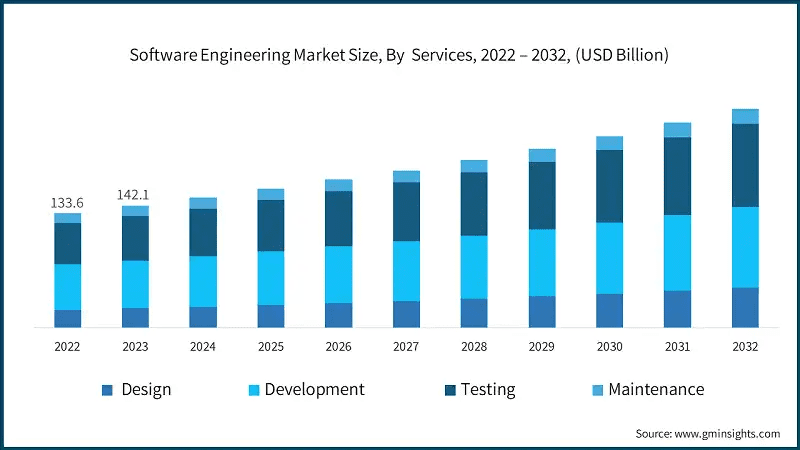
Job Postings Snapshot (2025)
| Role | Average Salary | Job Postings (US) | Growth Rate |
| Backend Developer | $110K–$140K | ~85,000 | 22% YoY |
| Full Stack Developer | $115K–$150K | ~120,000 | 28% YoY |
Why Full Stack Is Slightly More in Demand
- Companies want agile developers who can work across the stack Full stack developers can seamlessly move between frontend design and backend logic, making them invaluable in fast-paced environments. According to a 2024 CodinGame survey, 56% of recruiters reported full stack as the most in-demand role they were hiring for.
- Full stack developers reduce hiring costs by covering multiple roles Instead of hiring separate frontend and backend teams, companies—especially startups—can rely on a single developer with end-to-end skills. This flexibility helps businesses launch products faster while optimizing budgets. For instance, early-stage startups like Airbnb and Slack leveraged full stack talent heavily in their growth stages.
- They’re ideal for MVPs, startups, and cross-functional teams When building a Minimum Viable Product (MVP), businesses need rapid iteration. Full stack developers can design the UI, build the backend APIs, and even deploy the app to the cloud—all without needing multiple hires. This makes them especially attractive to VC-backed startups looking for speed-to-market.
- Large-scale enterprise systems – For example, Amazon’s order management system requires backend specialists to handle millions of concurrent requests.
- Fintech – Banks and fintech apps like PayPal rely on backend engineers to ensure transaction integrity, fraud prevention, and compliance with financial regulations.
- Healthcare – Backend developers build HIPAA-compliant systems that securely store and process patient data.
- Cloud infrastructure – With Gartner forecasting $1.02 trillion in global cloud spending by 2026, backend expertise in AWS, Azure, and microservices remains highly valuable.
How SynergisticIT’s Job Placement Program Prepares You for Both
1. Master the Tech Stack
- Java, Spring Boot
- Python, Flask
- RESTful APIs
- SQL, MongoDB
- AWS, Docker, Jenkins
- HTML, CSS, JavaScript
- React.js, Angular
- Node.js, Express.js
- MERN Stack (MongoDB, Express, React, Node)
- Cloud deployment and CI/CD
2. Real-World Project Experience
- E-commerce platforms
- Social media dashboards
- Inventory management systems
- Cloud-deployed microservices
- Responsive UIs with dynamic data rendering
3. Coding Assessments and Interview Prep
- Daily coding challenges
- Timed assessments
- Mock interviews (DSA, system design, behavioral)
- Optimization and debugging practice
- Solve problems efficiently
- Communicate your logic clearly
- Handle pressure with confidence
4. Resume and LinkedIn Optimization
Your resume and LinkedIn profile are your first impression.
SynergisticIT helps you:
- Highlight relevant skills and projects
- Use ATS-friendly formatting
- Craft compelling summaries and bullet points
- Align your profile with job descriptions
5. Behavioral Interview Coaching
- STAR method for storytelling
- Handling conflict and teamwork questions
- Communicating technical concepts to non-tech stakeholders
- Building confidence and executive presence
6. Employer Marketing and Interview Scheduling
- Markets your profile to tech clients
- Schedules interviews
- Provides feedback and negotiation support
- Helps you land full-time roles with salaries between $85K and $150K
You’ll be matched with companies hiring for backend, full stack, and cloud roles.
Success Stories
SynergisticIT has helped thousands of candidates get hired at companies like:
- Amazon
- PayPal
- Cisco
- IBM
- Startups and mid-sized tech firms
Which Path Should You Choose?
- Data, logic, and performance → Backend development may be your calling
- Design, interactivity, and versatility → Full stack development could be ideal
But here’s the truth: You don’t have to choose right away.
SynergisticIT’s program gives you exposure to both, so you can:
- Discover your strengths
- Build a portfolio across the stack
- Choose a specialization based on job offers and interests
Final Thoughts
- A structured curriculum
- Real-world projects
- Interview mastery
- Resume and LinkedIn optimization
- Employer connections
- And most importantly—results
Whether you want to become a backend specialist or a full stack engineer, SynergisticIT helps you get there faster, smarter, and with confidence.
Explore success stories Watch our event videosRead our jobseeker blogs
Let’s build your future—one line of code at a time.