


If you’re a beginner looking to get into the tech world, the choice of your first programming language can feel like a make-or-break decision. With so many languages available, figuring out which one offers the best blend of a gentle learning curve, robust career prospects, and widespread application can be daunting. Among the most popular choices for newcomers, Python, Java, and JavaScript stand out. Each has a unique identity, a specific set of strengths, and a distinct place in the software development landscape. Python vs Java vs JavaScript: Which Should You Learn First? This guide will help you understand the core differences between these three programming powerhouses and provide the insights you need to make an informed choice for your first language.
Overview of the Languages
Python
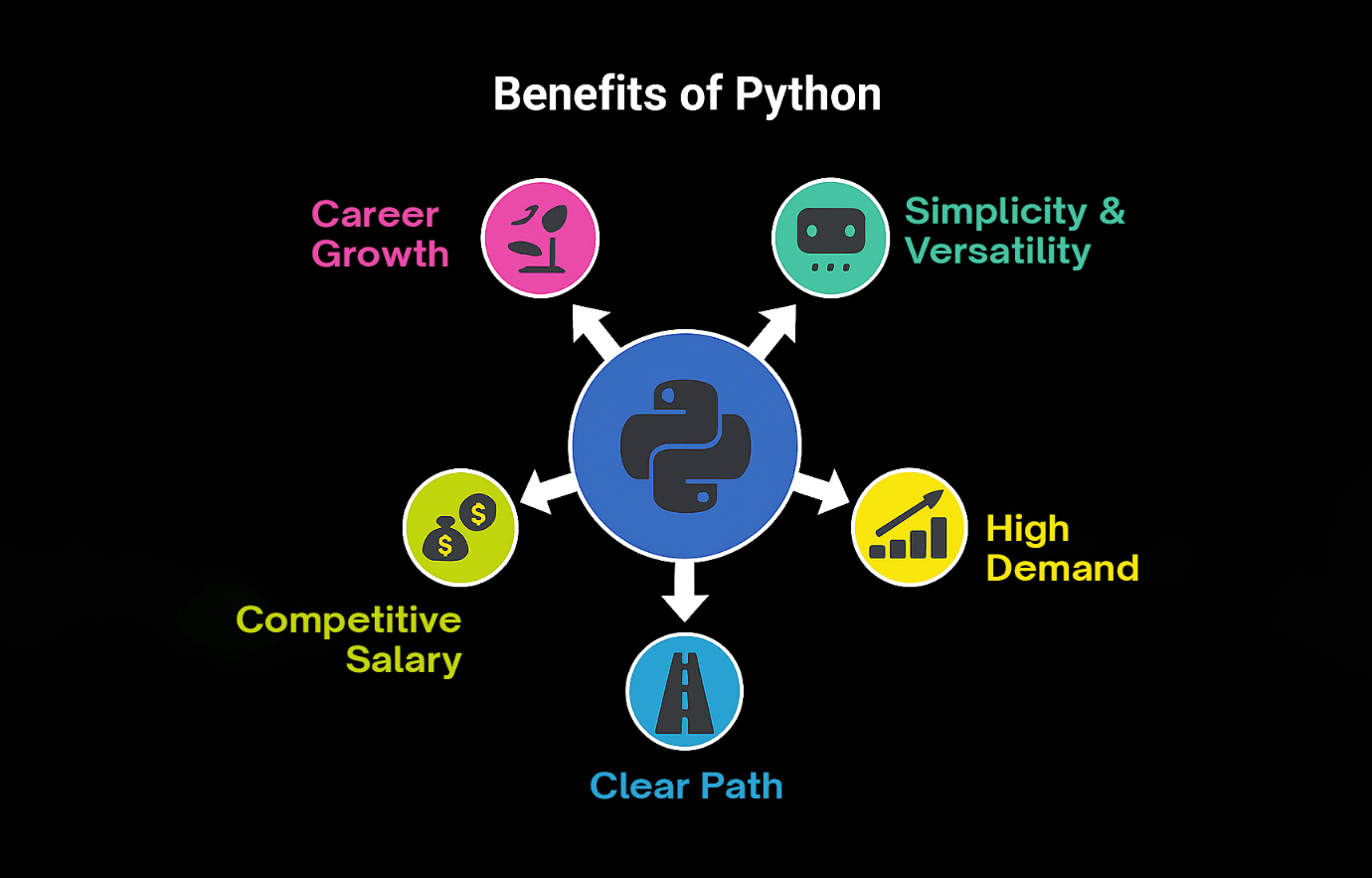
- Key Traits: Beginner-friendly, dynamically typed, versatile, and highly readable.
- Paradigm: Multi-paradigm (object-oriented, procedural, functional).
- Popular Frameworks: Django, Flask, TensorFlow, Pandas, PyTorch.
Java
- Key Traits: Platform-independent, statically typed, strong performance, and robust.
- Paradigm: Object-oriented.
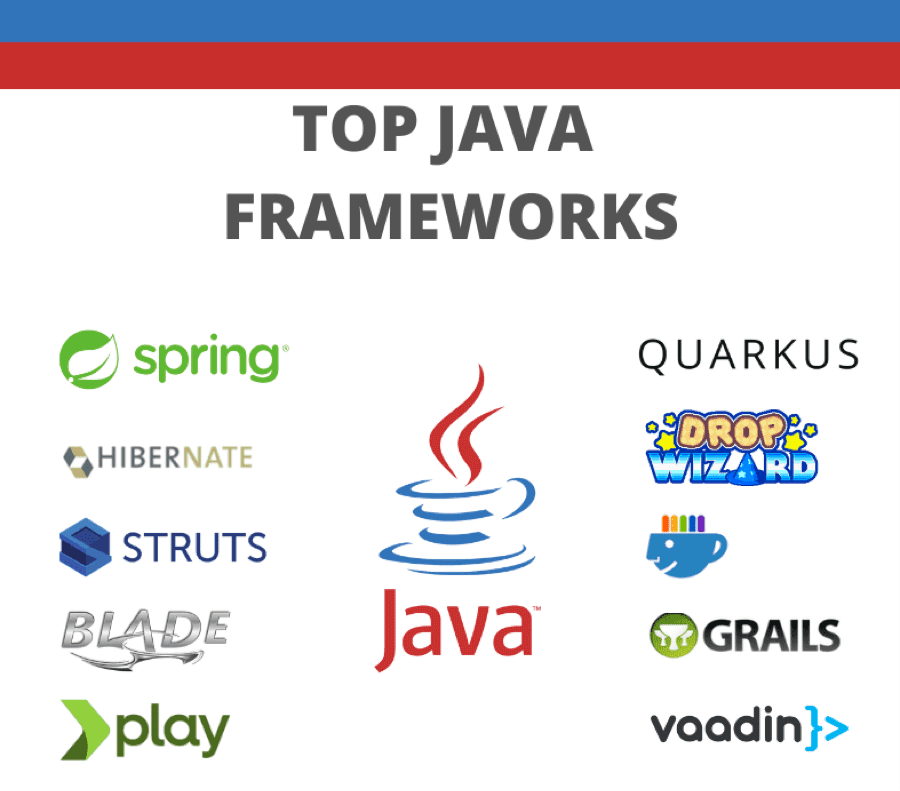
- Popular Frameworks: Spring Boot, Hibernate, Apache Struts.
JavaScript
- Key Traits: Event-driven, interpreted, and essential for modern web development.
- Paradigm: Multi-paradigm.
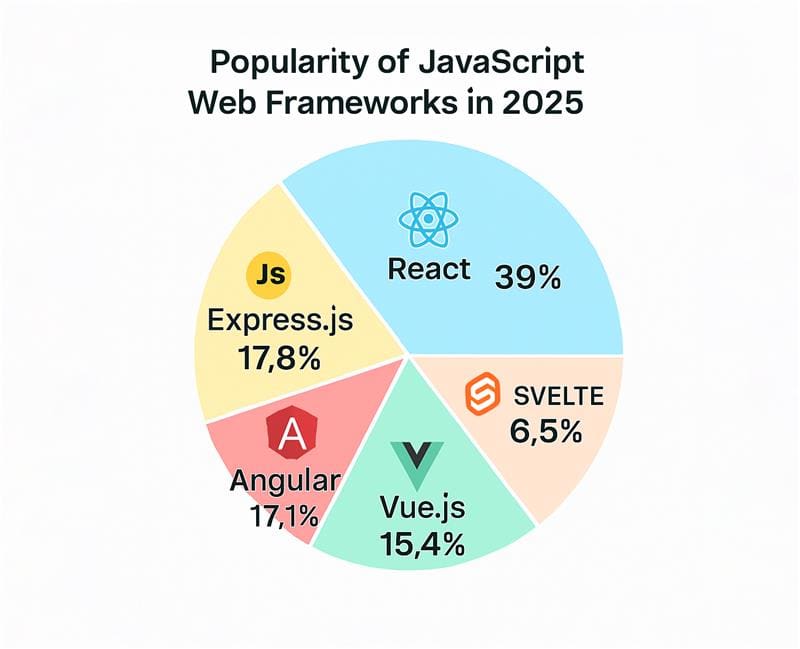
- Popular Frameworks: React, Angular, Node.js, Vue.js.
Ease of Learning: A Beginner's Perspective
Python
Java
JavaScript
Use Cases and Applications
Python
Java
Java’s main domain is enterprise-grade applications and Android development. If you’re building a scalable, robust, and secure backend system for a large corporation in finance or healthcare, Java is a top choice. A staggering 84% of Fortune 500 companies use Java for their primary backend systems, and 92% of Fortune 100 firms deploy Java in production.
Its platform independence and maturity make it reliable for mission-critical systems. Java is the official language for Android development, making it indispensable for building native Android apps.
JavaScript
JavaScript is non-negotiable for web development. It is the only language that runs natively in web browsers, making it the core of all interactive frontend experiences. With Node.js, it has expanded to the backend, enabling developers to build full-stack applications using a single language. With Node.js, JavaScript now dominates server-side development as well, powering over 3 million websites.
This is a massive advantage for building modern web and mobile apps with frameworks like React Native, Angular, and Vue, underpinning modern web and mobile UIs. React alone is used in over 40% of JavaScript applications
Job Market and Salary Trends (2025 Data)
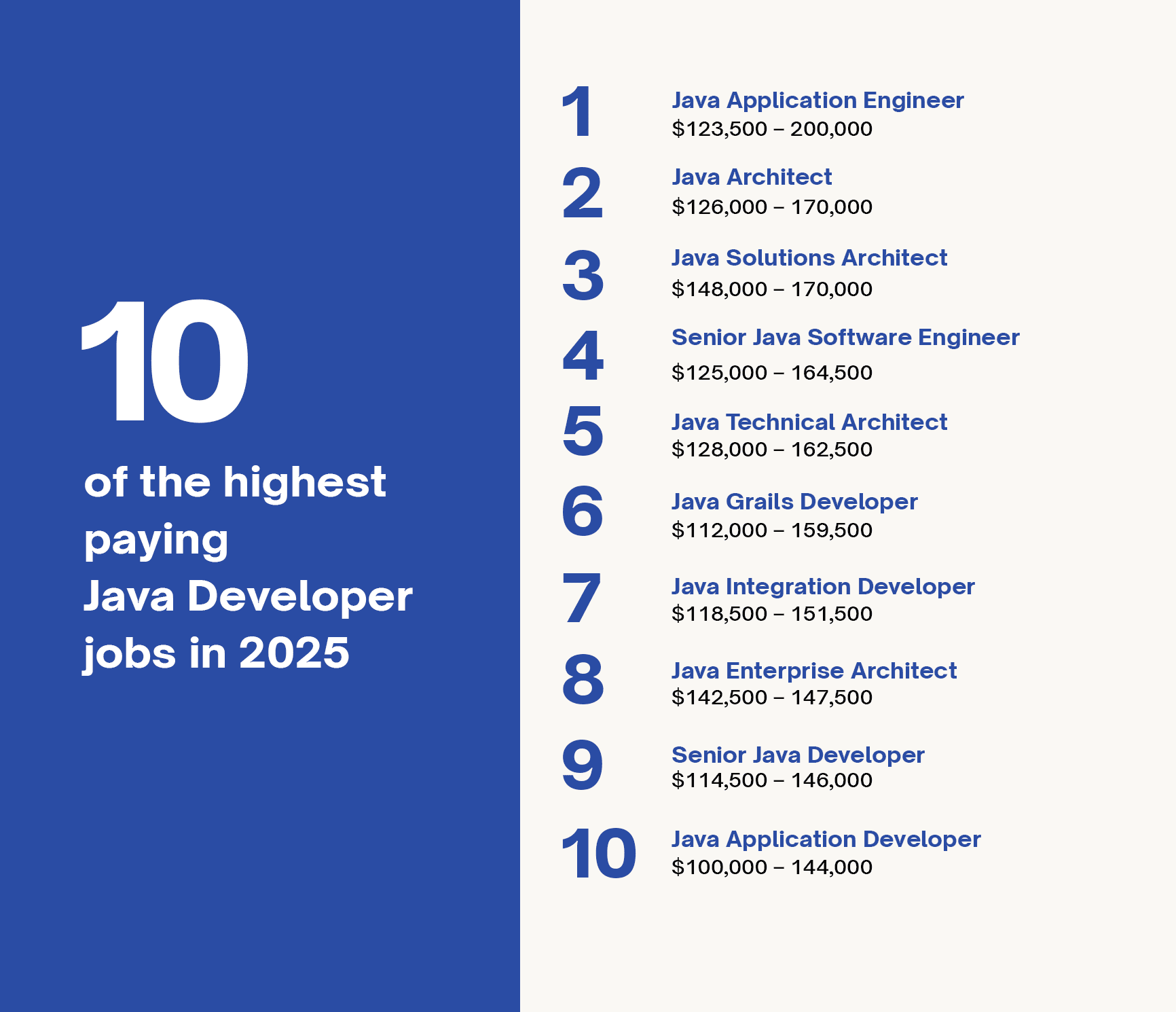
| Language | Average U.S. Salary (2025) | Job Listings (2025) |
| Python | $130,000+ | 120,000+ |
| Java | $125,000+ | 110,000+ |
| JavaScript | $115,000+ | 140,000+ |
Also read: Tech salaries in 2025In-Demand Roles:
- Python: Data Scientist, Machine Learning Engineer, DevOps Engineer.
- Java: Software Engineer, Backend Developer, Android Developer.
- JavaScript: Frontend Developer, Full Stack Developer, UI/UX Engineer.

Community Support and Learning Resources
- Python: Python has a massive, welcoming community. Its ecosystem is rich with a vast number of libraries, especially in data science. Resources like Python.org and freeCodeCamp offer extensive learning paths for beginners.
- Java: Java’s community is highly mature and well-established, with decades of enterprise use. Resources like Oracle Docs and tutorials on platforms like JavaCodeGeeks provide comprehensive, in-depth documentation.
- JavaScript: JavaScript has the largest and most active open-source ecosystem, primarily through npm (Node Package Manager). The sheer volume of frameworks and libraries is a testament to its dominance in web development. Resources from MDN Web Docs and JavaScript.info are considered definitive guides for new learners.
Performance and Scalability
- Python: As an interpreted language, Python is generally slower than its compiled counterparts. This isn’t a problem for most tasks, especially in data science, where the performance-critical parts are often handled by underlying C or Fortran libraries. However, it’s not the best choice for high-speed, low-latency applications without careful architectural planning.
- Java: Java is a high-performance language, thanks to the JVM, which compiles bytecode into native machine code at runtime. Its strong multithreading support makes it exceptionally scalable and the ideal choice for large, complex, and resource-intensive enterprise applications.
- JavaScript: JavaScript is surprisingly fast in the browser due to modern engines like V8 (used in Chrome and Node.js). Node.js, in particular, is highly efficient at handling a large number of concurrent connections, making it perfect for real-time applications like chat services and collaboration tools.
Which Language Should You Learn First? The Verdict
- Choose Python if… you’re completely new to programming and want a beginner-friendly language with a clear, readable syntax. It’s the perfect entry point for exploring fields like data science, AI, and automation. Python’s low barrier to entry and immediate results make it an ideal choice for building your confidence.
- Choose Java if… your goal is to work at a large enterprise, build native Android apps, or focus on creating robust, scalable backend systems. While the learning curve is steeper, mastering Java can lead to a stable and lucrative career path in a well-established industry.
- Choose JavaScript if… you’re passionate about web development, UI/UX, or building interactive applications. It’s the only choice if you want to become a frontend developer, and with Node.js, it’s a powerful and efficient path to becoming a full-stack engineer.
How SynergisticIT Can Help You Master These Languages
- Python: Focus on practical applications in data science, machine learning, and automation with tools like TensorFlow and Pandas.
- Java: A deep dive into enterprise-grade development with core Java and popular frameworks like Spring Boot.
- JavaScript & Full Stack: Master the modern web stack, including React and Node.js, and build full-scale projects under the guidance of expert mentors.
How SynergisticIT Sets You Up for Success
- Curriculum Aligned to Career Outcomes: You’ll go beyond “toy projects” and build real-world solutions—deployable APIs, business intelligence dashboards, machine learning models, and automated pipelines—that directly match job descriptions.
- Certifications That Open Doors: Our training prepares you for skills that hiring managers respect, such as Java (Oracle), AWS Solutions Architect, Spring Boot, Power BI, TensorFlow, and Kubernetes. According to LinkedIn’s 2025 Jobs Report, candidates with relevant certifications are 46% more likely to get interview callbacks.
- Placement Support Until You Land a Role: We stay with you until you sign your offer, offering resume optimization, LinkedIn branding, recruiter outreach strategies, and mock interviews that mimic FAANG-level expectations.
- Mentorship and 1-on-1 Support: Weekly mentoring sessions, live code reviews, and personalized interview coaching keep you moving forward, especially when challenges arise.
Final Thoughts
- A proven roadmap
- Real skills
- Interview mastery
- Employer connections
- And most importantly—results.
If you’re ready to invest 5–7 months into building a career that pays well and grows with you, SynergisticIT is here to help.
Let’s turn your potential into a paycheck.