


In the fast-paced world of technology, where innovation is constant and competition fierce, many developers—especially those early in their careers—struggle with a silent adversary: impostor syndrome.

It’s the nagging feeling that you don’t belong, that your success is a fluke, and that sooner or later, someone will “find out” you’re not as capable as you seem. Despite being common, impostor syndrome can be deeply isolating and damaging to career growth.
In this blog, we’ll explore:
- What impostor syndrome looks like in tech
- Why it’s so prevalent among developers
- How to overcome it with mindset shifts and skill-building
- And how SynergisticIT’s Job Placement Program helps jobseekers build confidence through deep technical mastery and real-world preparation
What Is Impostor Syndrome?
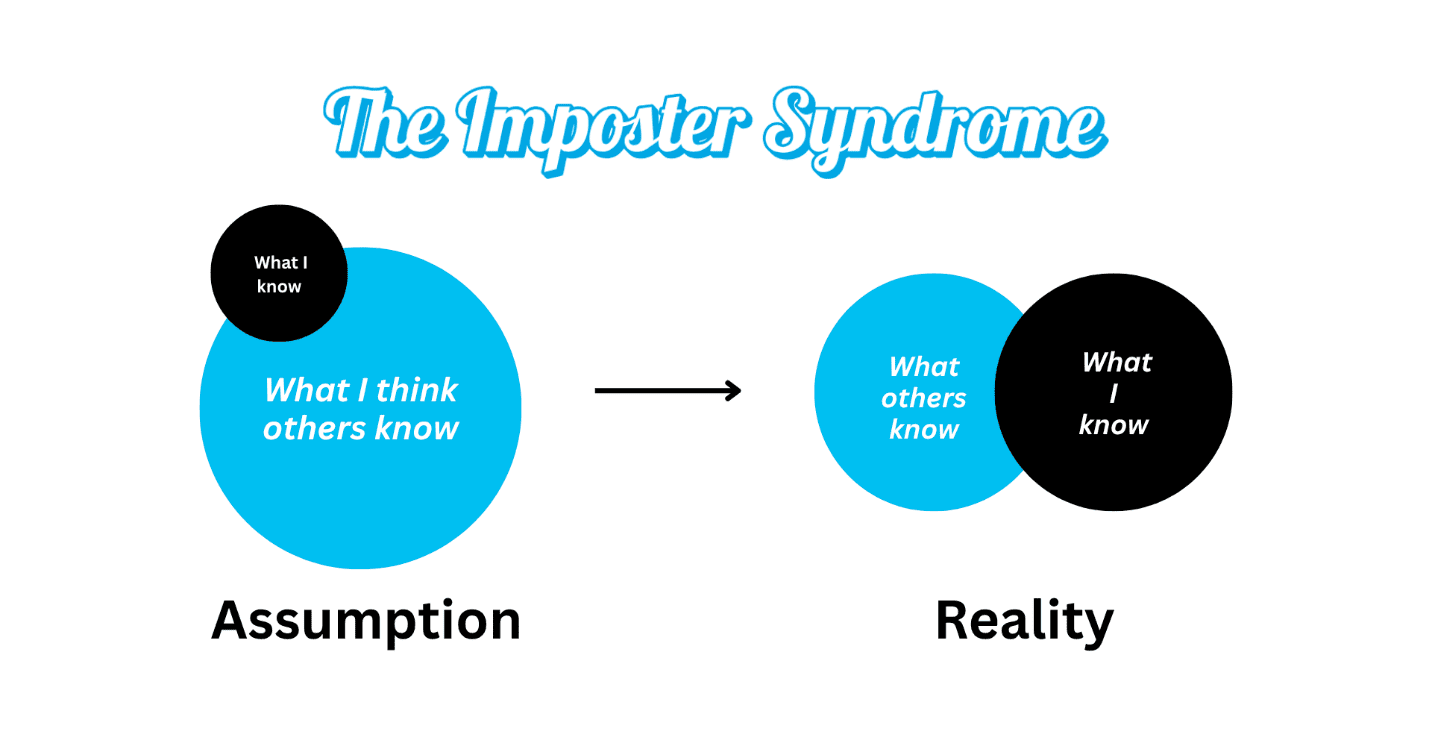
- Feeling like you’re “not a real developer”
- Believing others are smarter or more qualified
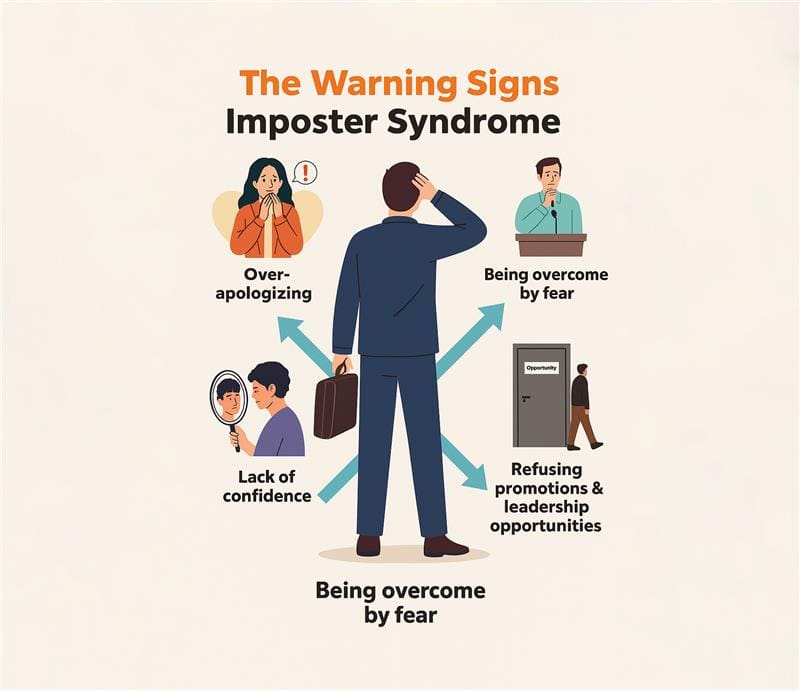
- Avoiding challenges for fear of failure
- Downplaying achievements or attributing success to luck
- Constantly comparing yourself to peers
- CS grads entering the workforce
- Career changers transitioning into tech
- Junior developers in high-performing teams
- Women and underrepresented minorities in STEM
- Bootcamp graduates navigating impostor bias
Why Is Impostor Syndrome So Common in Tech?
- Rapidly Changing Landscape: Tech evolves at lightning speed. New programming languages like Rust or Kotlin, frameworks like Next.js or Svelte, and trends like AI integration, cloud-native development, or blockchain emerge constantly. It’s easy to feel behind even if you’re keeping up. In fact, Stack Overflow’s 2024 Developer Survey revealed that over 70% of developers learn a new language or framework every year just to stay current.
- High Expectations and Perfectionism: The culture of “10x engineers” and startup hustle can create unrealistic standards. Developers often feel they must know everything, solve problems instantly, and never make mistakes. A 2023 report from Women Who Code found that 68% of women in tech feel pressure to prove themselves more than their peers, and perfectionism is a leading driver of impostor syndrome among them.

- Lack of Feedback and Validation: In remote or asynchronous environments, feedback can be sparse. A GitLab Remote Work Report found that 43% of remote developers feel “invisible” or “under-acknowledged” in their teams. Without regular validation, developers may question their value or impact.
- Comparison Culture: Platforms like GitHub, LinkedIn, and Twitter showcase polished projects and achievements. It’s easy to compare your behind-the-scenes struggles to someone else’s highlight reel. For example, seeing someone post about launching their fifth open-source library might make you question why you’re still debugging your portfolio site. But that person may also have years of experience and support you don’t see.
- Nontraditional Backgrounds: Career changers and bootcamp grads often feel they lack legitimacy compared to CS degree holders—even when they’re equally capable. A 2024 Course Report study found that 52% of bootcamp graduates reported feeling less confident than their CS-degree counterparts, even though employers rated their job performance similarly.
The Impact of Impostor Syndrome
- Burnout from overworking to “prove yourself”
- Stalled growth from avoiding new challenges
- Missed opportunities due to self-doubt
- Isolation from the fear of asking questions or seeking help
- Mental health struggles, including anxiety and depression
How to Overcome Impostor Syndrome in Tech
- Normalize the Feeling Impostor syndrome is common, even among senior engineers. Recognizing it as a shared experience helps reduce its power.
“I have written eleven books, but each time I think, ‘Uh oh, they’re going to find out now.’” — Maya Angelou
If she felt it, it’s okay that you do too.
- Focus on Learning, Not Perfection Tech is a lifelong learning journey. You don’t need to know everything—you need to be curious, adaptable, and willing to grow. Celebrate progress, not perfection.
- Track Your Wins Keep a “brag document” or achievement log. Record:
- Projects completed
- Bugs fixed
- Positive feedback
- Skills learned
- Certifications earned
- Ask Questions and Seek Mentorship Asking for help isn’t a weakness—it’s a strength. Most developers love sharing knowledge. Mentorship accelerates learning and builds confidence.
- Reframe Negative Self-Talk Replace “I’m not good enough” with:
- “I’m still learning, and that’s okay.”
- “I bring unique strengths to the table.”
- “Everyone starts somewhere.”
- Build Real-World Experience Confidence comes from competence. The more you build, break, and fix things, the more you internalize your capabilities. This is where structured programs like SynergisticIT’s Job Placement Program make a transformative difference.
How SynergisticIT Helps You Overcome Impostor Syndrome
SynergisticIT’s Job Placement Program is designed not just to teach tech skills—but to build deep confidence through immersive learning, real-world projects, and career coaching.
Here’s how it helps jobseekers overcome impostor syndrome:
1. Deep Learning, Not Surface-Level Tutorials
Many online courses offer shallow exposure to topics. SynergisticIT goes deep. You’ll master:
- Data Structures and Algorithms (DSA)
- Java, Python, Spring Boot
- AWS, Azure, GCP
- Full Stack Development (MERN, MEAN)
- DevOps tools like Docker, Jenkins, Kubernetes
This depth builds true competence—so you don’t just “know” the topic, you can apply it confidently.
2. Hands-On Projects That Prove Your Skills
- You’ll build real-world applications like:
- E-commerce platforms
- RESTful APIs
- Cloud-deployed dashboards
- Scalable microservices
These projects aren’t just portfolio pieces—they’re confidence boosters. You’ll see your code work in production-like environments.
3 Structured Learning That Reduces Overwhelm: Impostor syndrome thrives in chaos. SynergisticIT provides:
- Clear learning paths
- Weekly goals and checkpoints
- Instructor support and peer collaboration
- Feedback loops to track progress
This structure helps you stay focused and feel in control.
4. Behavioral Interview Coaching and Story Building
Many developers struggle to articulate their value. SynergisticIT helps you:
- Craft compelling STAR stories
- Practice mock interviews
- Build a story bank of achievements
- Reframe challenges as growth moments
You’ll walk into interviews with clarity and confidence.
5. Resume and LinkedIn Optimization That Highlights Your Strengths
Impostor syndrome often leads to underselling yourself. SynergisticIT helps you:
- Showcase your technical depth
- Highlight cloud and DSA mastery
- Use keywords that attract recruiters
- Position yourself as a confident, capable developer
Your profile becomes a reflection of your true potential.
6. Employer Marketing and Placement Support
SynergisticIT doesn’t just train you—they help you get hired.
- Your profile is marketed to tech clients
- Interviews are scheduled and supported
- Feedback is provided to improve performance
- Offers are negotiated with guidance
This external validation reinforces your internal confidence.
7. Community and Mentorship
You’ll be surrounded by:
- Instructors who care
- Peers who share your journey
- Alumni who’ve overcome the same doubts
Success Stories: From Doubt to Dev
- Career changers from non-tech backgrounds
- Bootcamp grads unsure of their skills
- CS majors overwhelmed by job search pressure
- Amazon
- PayPal
- Cisco
- Startups and mid-sized tech firms
They didn’t just get hired—they thrived.
Who Can Benefit?
SynergisticIT’s program is ideal for:
- CS grads who feel underprepared
- Career changers seeking legitimacy
- Bootcamp grads needing deeper mastery
- Junior developers stuck in self-doubt
- Anyone who wants to build confidence through competence
Final Thoughts
- Deep technical training
- Real-world project experience
- Behavioral coaching
- Resume and interview prep
- Employer connections
- And most importantly, confidence