How SynergisticIT’s Job Placement Program Builds Communication Mastery and Interview Readiness
In today’s tech hiring landscape, technical skills alone won’t get you hired. You might be fluent in Java, deploy microservices on AWS, and solve LeetCode problems in your sleep—but if you can’t communicate clearly, collaborate effectively, or navigate ambiguity with confidence, you’ll struggle to stand out
That’s why soft skills—the human side of tech—are no longer optional. They’re essential.
In this blog, we’ll explore:
- Why soft skills matter more than ever in tech hiring
- The specific soft skills employers look for
- How communication impacts technical interviews
- And how SynergisticIT’s Job Placement Program, backed by 15+ years of experience and thousands of curated interview questions, helps jobseekers master the soft skills that lead to offers
What Are Soft Skills—and Why Do They Matter in Tech?
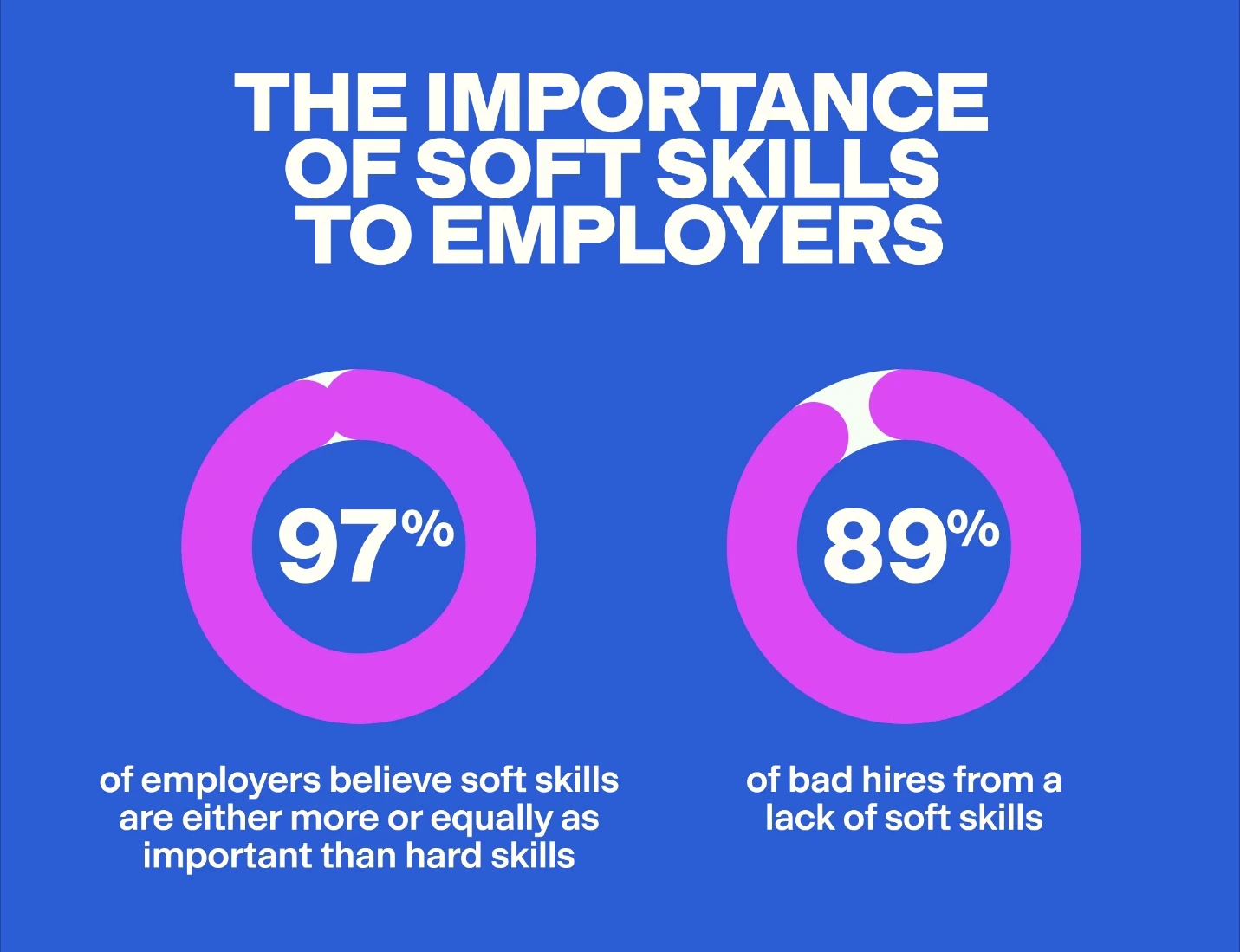
According to LinkedIn’s Global Talent Trends Report, 92% of hiring managers say soft skills are just as important, if not more important, than technical skills. Another SHRM study found that lack of interpersonal skills is the number one reason new hires fail within the first 18 months. That means you can ace the coding challenge but still lose the offer if you can’t demonstrate adaptability, teamwork, or problem-solving under pressure.
Also read: Role of certifications to boost your career
Soft skills are the interpersonal, emotional, and cognitive abilities that shape how you work with others, solve problems, and present yourself. In tech, they include:
- Communication – Explaining complex code to a non-technical stakeholder, writing clear documentation, or asking the right clarifying questions in a stand-up meeting. A recent Indeed survey revealed that 45% of employers say communication is the #1 soft skill they seek in candidates.
- Collaboration – Modern development is rarely a solo effort. Whether you’re pair programming, conducting code reviews, or working with UX designers, your ability to cooperate makes or breaks productivity. Companies like Google use cross-functional teams for most projects, making collaboration a baseline expectation.

- Adaptability – Tech evolves at lightning speed. One year you’re building microservices, the next you’re working with AI-driven APIs. Employers value developers who can quickly pivot when requirements shift. According to a World Economic Forum report, adaptability is one of the top five skills needed to thrive in the future workforce.
- Problem-solving – Debugging a system outage at 2 a.m. isn’t just about technical chops—it’s about staying calm under pressure, breaking down the issue logically, and communicating solutions effectively.
- Emotional intelligence (EQ) – Being aware of your own emotions, as well as recognizing those of your teammates, is key to reducing conflict and building trust. Studies show that employees with high EQ contribute to higher-performing teams and better overall workplace satisfaction.
- Time management – Deadlines in software development are often tight. Managing sprints, balancing urgent bug fixes with long-term features, and avoiding burnout requires strong organizational skills.
- Leadership and initiative – You don’t have to be a manager to lead. Taking ownership of a project, mentoring juniors, or suggesting process improvements signals to employers that you’re ready for higher responsibilities.
These skills determine how well you work on a team, how you handle feedback, and how you navigate the fast-paced, ever-evolving world of software development.
Why Employers Prioritize Soft Skills in Tech Hiring
1. Tech Is a Team Sport
Even backend
developers don’t work in isolation. You’ll collaborate with product managers, designers, QA engineers, and other developers. Employers want people who can communicate clearly and work well with others.
2. Remote and Hybrid Work Requires Strong Communication
With distributed teams becoming the norm, your ability to express ideas, ask questions, and give updates—often asynchronously—is critical.
3. Soft Skills Drive Project Success
Technical skills build the product. Soft skills keep the project on track. From sprint planning to code reviews, your ability to listen, lead, and adapt makes a measurable impact.
4. Interviews Are Communication Tests
Every interview—technical or behavioral—is a test of how you think, explain, and engage. Even if you solve the coding problem, poor communication can cost you the offer.
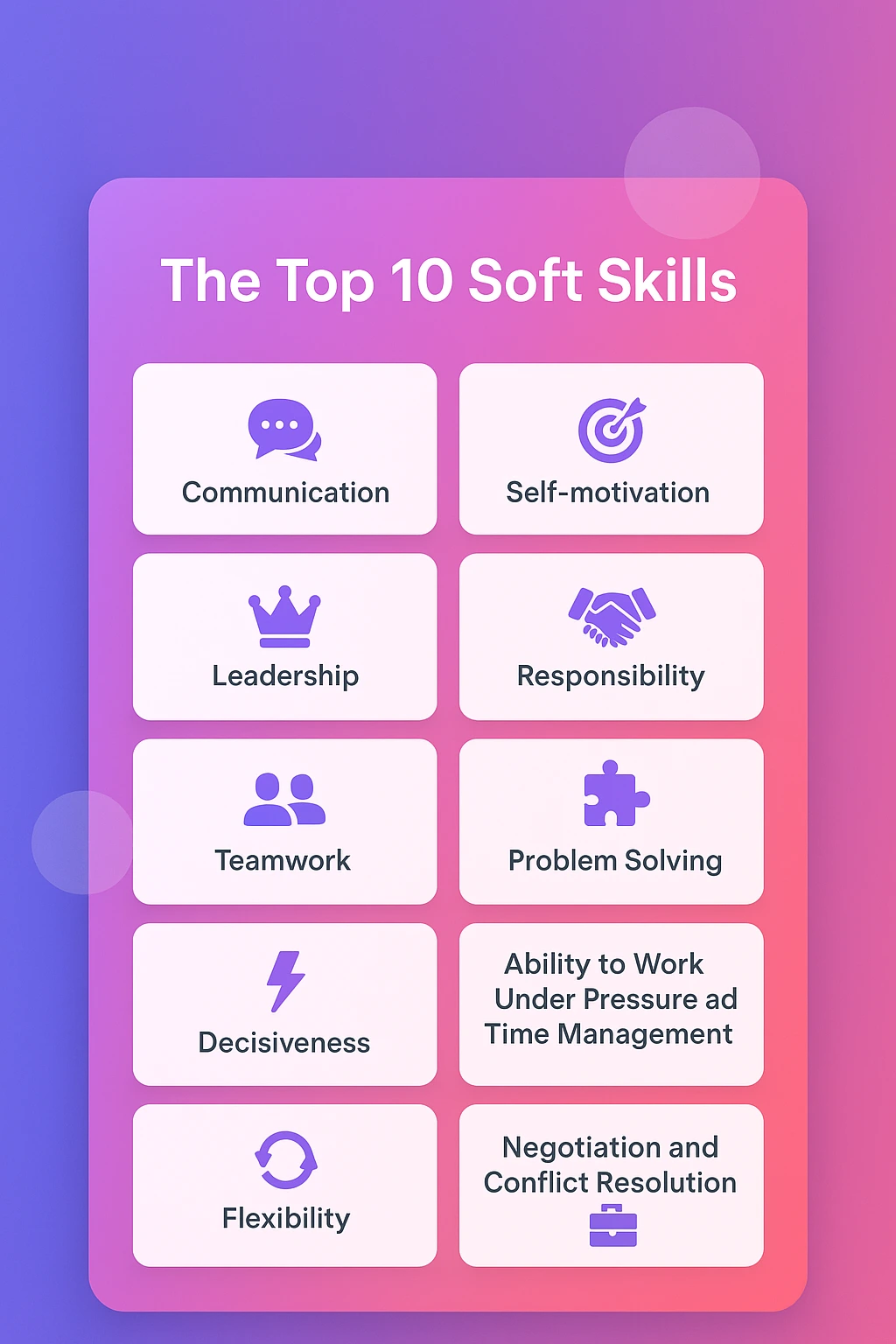
What Soft Skills Do Tech Employers Look For?
Here’s a breakdown of the most in-demand soft skills in tech hiring:
How Soft Skills Impact Technical Interviews
“Tell Me About Yourself”
This isn’t just a warm-up question—it’s a test of clarity, confidence, and self-awareness. Hiring managers want to see if you can tell your story in a way that’s structured and compelling. According to Glassdoor, this is one of the most common interview openers, and candidates who ramble or dive too deep into irrelevant details risk losing the interviewer’s attention.
System Design Interviews
System design isn’t just about drawing boxes and arrows—it’s about explaining trade-offs, justifying decisions, and collaborating with the interviewer. Imagine you’re asked to design a scalable chat application: you’ll need to compare database options, consider latency, and discuss scaling strategies. The interviewer isn’t just checking your architecture skills; they’re assessing how you reason out loud.
Behavioral Interviews
Expect questions like:
- “Describe a time you faced a challenge.”
- “How do you handle conflict on a team?”
- “Tell me about a time you failed.”
These questions aren’t fillers—they’re designed to reveal your emotional intelligence, resilience, and growth mindset. Research from Leadership IQ shows that 46% of new hires fail within 18 months, and the top reason is lack of soft skills—not lack of technical ability.
Technical Problem Solving
Even in coding interviews, soft skills matter. When solving an
algorithmic problem, interviewers want to hear your thought process, not just see the final answer. Think of it like pair programming: you’re expected to talk through edge cases, ask clarifying questions, and adapt if feedback suggests a different direction.
How SynergisticIT Builds Soft Skills That Get You Hired
SynergisticIT’s Job Placement Program is designed to help jobseekers master both the technical and human sides of hiring. With over 15 years of experience and a database of
thousands of tech interview questions, the program offers a structured, proven approach to soft skill development.
Here’s how:
1. Behavioral Interview Coaching with STAR Method
SynergisticIT trains jobseekers to answer behavioral questions using the STAR method:
- Situation – Set the context
- Task – Define your responsibility
- Action – Explain what you did
- Result – Share the outcome
You’ll learn to craft compelling stories that showcase your strengths, mindset, and growth.
Example: “When our team faced a last-minute API failure before a client demo, I took initiative to debug the issue, coordinated with the backend team, and deployed a hotfix within two hours. The demo went smoothly, and the client signed the contract.”
2. Communication Skills Training
SynergisticIT helps you refine:
- Elevator pitches
- Interview introductions
- Technical explanations
- Resume and LinkedIn summaries
- Email and messaging etiquette
You’ll practice articulating your value clearly and confidently—whether in person, on Zoom, or in writing.
3. Mock Interviews with Feedback
Through mock interviews, you’ll:
- Practice real-world technical and behavioral questions
- Get feedback on tone, clarity, and delivery
- Learn to handle curveballs and follow-up questions
- Build confidence through repetition and refinement
These sessions simulate actual interview environments, helping you stay calm and focused under pressure.
4. Access to Thousands of Curated Interview Questions
With a database built over 15+ years, SynergisticIT provides:
- Behavioral questions tailored to tech roles
- System design prompts
- Coding challenges with communication tips
- Real questions from FAANG and top-tier companies
You’ll learn not just what to say—but how to say it.
5. Peer Collaboration and Group Practice
Soft skills aren’t built in isolation. SynergisticIT fosters:
- Group discussions
- Peer mock interviews
- Feedback circles
- Collaborative project work
You’ll learn to give and receive feedback, work in teams, and build interpersonal confidence.
6. Personalized Coaching and Story Bank Development
Every jobseeker has a unique journey. SynergisticIT helps you:
- Identify your core strengths and values
- Reframe challenges as growth stories
- Build a “story bank” of experiences for interviews
- Align your narrative with your target roles
This personalized approach ensures your pitch and stories resonate with employers.
Real Outcomes: Soft Skills That Lead to Offers
SynergisticIT graduates have landed roles at:
- Amazon
- Google
- PayPal
- Cisco
- Startups and mid-sized tech firms
Many started with strong technical skills but struggled to communicate their value. Through coaching, mock interviews, and story development, they transformed their confidence—and their careers.
Why SynergisticIT’s Experience Matters
With over 15 years in tech hiring, SynergisticIT understands:
- What employers actually look for
- How soft skills impact hiring decisions
- The nuances of technical and behavioral interviews
- How to coach diverse jobseekers—from CS grads to career changers
Their database of thousands of interview questions isn’t just a resource—it’s a roadmap. It reflects real hiring trends, employer expectations, and the evolving demands of tech roles.
Also Read: What To Expect In Behavioral Interviews
Who Benefits from Soft Skills Training?
Everyone. Whether you’re:
- A CS graduate entering the workforce
- A bootcamp alum seeking your first role
- A career changer breaking into tech
- A junior developer aiming for mid-level positions
- A freelancer pitching clients
Soft skills are the bridge between your technical ability and your career success.
Final Thoughts
In tech, your ability to code gets you noticed. Your ability to communicate gets you hired.
Soft skills—especially communication, collaboration, and emotional intelligence—are the secret weapon of successful developers. They help you:
- Build trust with employers
- Navigate interviews with confidence
- Thrive on teams and projects
- Grow into leadership roles
SynergisticIT’s Job Placement Program offers:
- Behavioral coaching
- Communication training
- Mock interviews
- Personalized story development
- Access to thousands of real interview questions
- And the experience of helping thousands of jobseekers succeed