


We come across many candidates every day who reach out to us to navigate the job hunt. Sometimes they want advice on how to break into the industry, but most of the time, they are searching for advice on how to hunt for tech jobs, how to crack interviews, and most importantly, how to get hired for tech Jobs.
As we have this conversation with candidates every now and then, we thought of putting it together for all those who are confused by the advice online and offline as well as the countless resources on the Internet.
In this post, we will try to cover everything from how to start, where to look for jobs, to resume and interview advice to negotiating salary. With this blog post, we want to educate as many students as we can because we believe in not just making careers but changing lives.
Learn about your goals, and analyze your strengths and weaknesses.

- What kind of roles suits your skills? Different tech skills can lead you to different tech careers. You need to figure out the roles that suit your capability and skills. For example, if you like creating applications, and software, software development is a good choice.
- What are you good at? Do you like analytics, project management, and development? If you are interested in analytics there are many growing careers in data science, AI, and machine learning.
- What is your definition of success?
- Do you like well-defined roles or doing many roles?
- What are your expectations in terms of career growth and salary?
Now, these are the most basic questions that you must seek answers to. The best way to do this is, to note everything down and think through these questions and more that come to your mind.
Spend time figuring out what you want in your career and writing it down as well. You may also look up the Internet and search for jobs that suit your skill sets, understand the best career options for you, and also the career and salary scope.
*Tip: Research the industry trends report to learn about the fastest-growing careers.
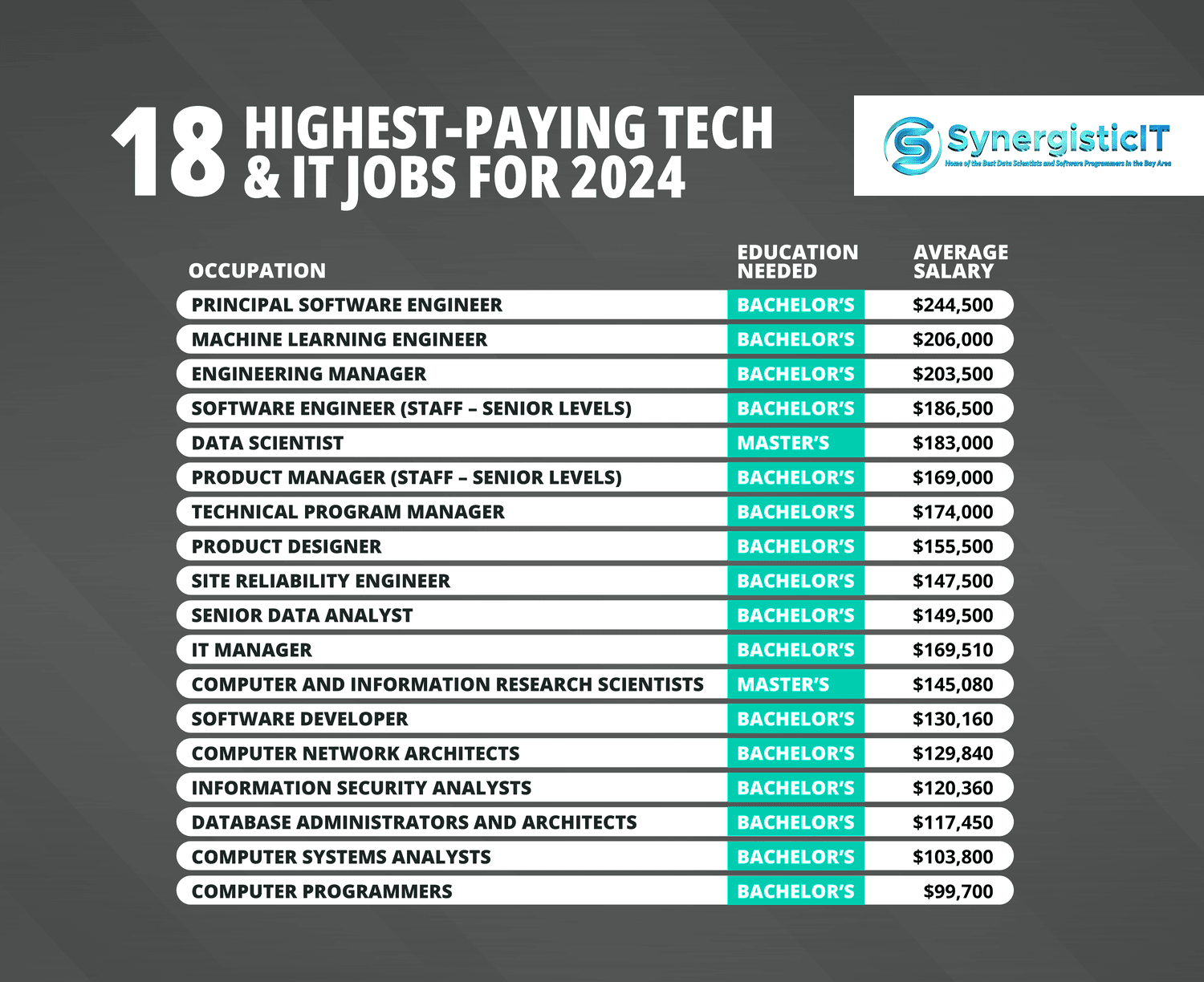
Figuring out what works best for you is important before you move to the next stage. You don’t need to become a career expert but know what you are best at. Meet people who can guide you or listen to podcasts and informative career videos.
You can also get involved with the developer meetups, and groups on Meetup Slack, Discord, etc. In addition, you can be a part of Facebook groups, bulletin boards, and similar platforms that encourage professional networking. Remember, the key is to get involved actively in the whole process and understand that it is going to take some time.
Prepare and Study For The Job

- Watch YouTube tutorials and video courses freely available on Coursera and Udemy as this will refresh your knowledge.
- Read research papers and blogs, tech news, and industry journals to know what’s happening in your field.
- Listen to programming and tech podcasts by professionals and interviews with influential people.
- Check GitHub repositories for information on interview preparation.
- Ask questions from the community as well as be active in learning from other’s answers.
If you face trouble learning on your own, coding bootcamp can help tremendously. There are plenty of practical learning courses on bootcamp that help you practice and sharpen job-ready skills. They will give you a lot of help learning how to code and design programs.
For other fields too, they have courses to help you pivot. As these courses are short and job-focused, they are ideal for not only people who have no programming background but also those who have a career gap, are college dropouts and are looking to switch from non-programming to a programming career. With the help of professionally experienced mentors and a support team, it is easier and quicker to prepare for the competitive job market.
Read: Self Study, College or Coding Bootcamp for a Tech Career?
Make Your Website

Network and Get Referrals

Job Application Strategy
Where to look?
Scour through job boards like Indeed, Otta.com, Glassdoor, Dice, ZipRecruiter, and LinkedIn Jobs. These aggregator sites contain job listings from across the web, making it easy to look for roles that match your skill set and experience.
But be warned: there is fierce competition on these sites. To stand out, make sure you tailor your resume and cover letter to each job you apply for. Here are the 3 whys you must focus on when sending out your applications.
- What is good about this company’s mission, product or services?
- Why should you join a specific team?
- Why are you the best candidate for the job?
Research Tech Companies

Tailoring Applications
We can’t stress this enough—generic applications won’t get you far in the competitive tech job market. If you want to land an interview, customize your resume and cover letter for each job and company.
Focus on the skills and experiences that match the job description, and don’t be afraid to show your personality through real-life examples like how you helped your company finish a project before the deadline or the growth you achieved through certain decisions. Hiring managers aren’t just looking for skill sets, they’re looking for resources that can help the company grow.
Applying And Tracking
- You can see your progress.
- You will know when to follow-up with the company
- You don’t forget about the conversations you had.
- Having a record prevents you from reapplying to the same position or company.

Rejection doesn’t mean you are not worth it. Usually, the response rate in tech is 5-10 percent. So, don’t stop applying just because you aren’t getting any response sooner. Use your energy to send out quality applications so that they turn into interviews.
Tip: Apply to positions that have been posted recently as first applicants are usually given preference in many jobs.
Write a Strong Resume.
- Set the scene – Describe the situation and the task you accomplished.
- Tell what you did – Explain the actions you took to solve the problem.
- Show the outcome – Highlight the results, using numbers whenever possible.
For example, instead of saying “Improved website performance,” say:
Improved website performance reducing load time by 40% and increasing user engagement by 25%.
Quantifiable results add more value than just embellished statements. Always include facts and numbers to make your resume impactful.
Here are some more tips.
- It’s important to highlight the role-specific skills in your resume but to make it more attractive, highlight your soft skills. Talk about your communication, and leadership, through situations to tell how valuable you can be.
- Have samples of resumes ready for different positions. For example, a front-end role resume would be different from a website development role.
- Be sure your resume highlights who you are, what you’ve done, what you could do, and the impact you had in your previous organization.
- Keep your resume short and simple; within one or two pages. Don’t skimp but don’t fluff either.
- Stuff keywords to get it past the screening software but don’t make it too obvious.
- Run your resume to multiple checkers so that there are no typos or grammatical errors.
Mastering the Interview Process

- Expect questions like “Tell me about a time you managed a certain situation.” Have a few strong examples ready, even if they come from non-work experiences. Emphasize what you learned and how you’d handle similar situations better.
- Take your time.: If you need a moment to think before answering, say so. Taking a pause is better than giving a poor answer in a hurry.
- Stay professional: Never speak negatively about past jobs or coworkers. Nobody likes someone who is a complainer or speaks negatively about their employer.
- Ask meaningful questions: Instead of generic questions, dig deeper: “What’s one thing that’s unique about this company?” or “What qualities would make someone perfect in this role?”
- Have a good body language: Your body language can speak many things. So, be careful of how you present yourself in the interview. Sit straight, dress professionally, and maintain positive body language.
- Follow-up: A quick thank-you email or LinkedIn message is a good way to wrap up the interview and also leave an impression on the employer. If rejected, you can ask for feedback as it’ll teach you about the areas of improvement.
- Express interest: Simply stating, “I’m really excited about this opportunity,” can make a big impact on employers and will show your keenness to join the company.
Salary Negotiation
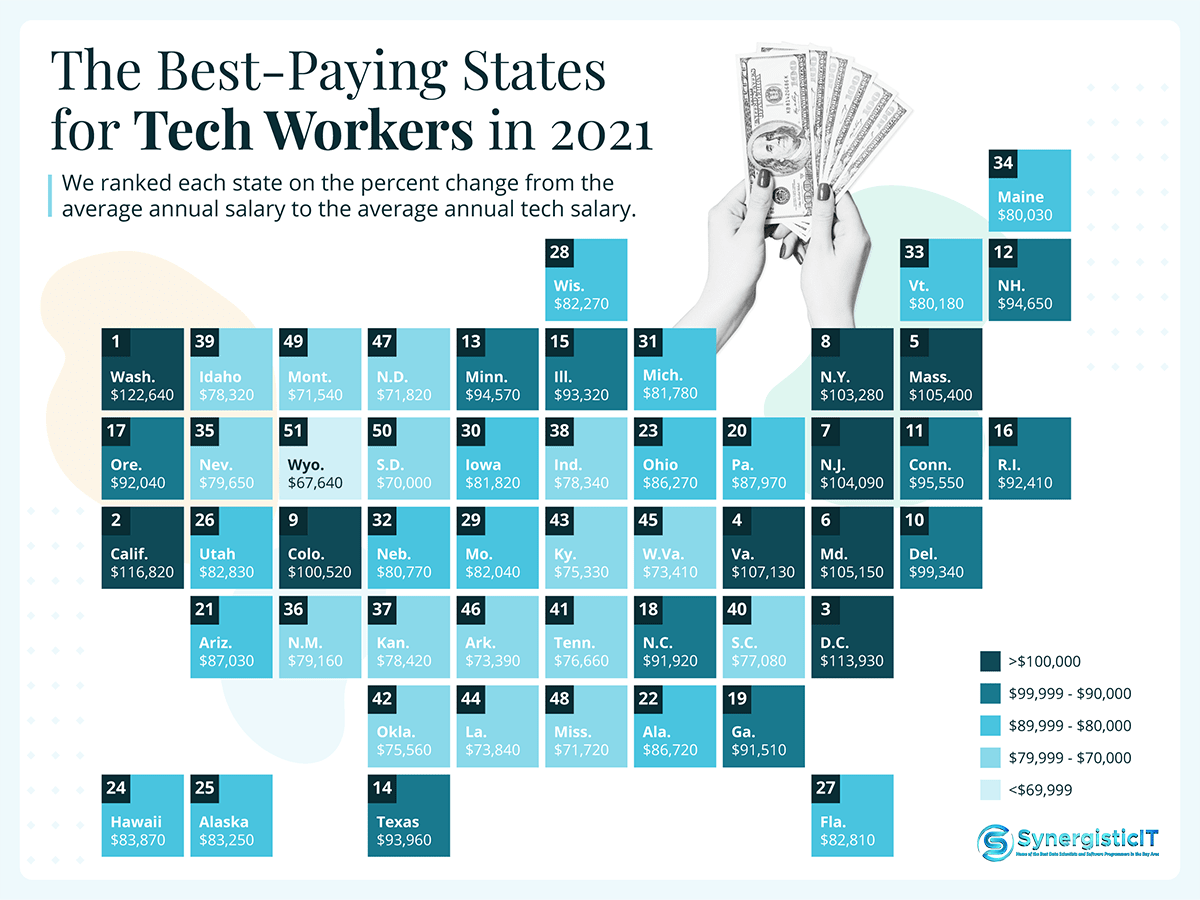
When discussing salary, research is essential. Use sources like Glassdoor and Levels.fyi to understand the wages professionals in similar roles get, both at the company and across the industry. Salaries are usually different on company type and location. Like companies in New York or San Francisco pay significantly more than companies located in states like Alabama, and Louisiana. Similarly, top tech companies usually pay premium salaries compared to startups and low-budget companies.
- The lowest salary you’d reject.
- The highest salary you’d instantly accept.
Start with the highest salary range as negotiation will likely bring it down. If they offer a number, always counter unless it exceeds expectations. But don’t be unrealistic about your salary expectations.
Also, note that Salary isn’t the only thing to consider when negotiating salary. There are many benefits that need to be considered such as insurance, bonuses, equity, retirement funds, perks, and other non-monetary benefits like travel allowance, etc. A lower salary with great benefits is always better than a high salary with no perks.
Finally, beware of vague promises about future raises or promotions. Get everything in writing. Remember, if it’s not documented, it doesn’t exist.
Conclusion
The tech industry has been going through ups and downs, but hiring will pick up as companies can’t operate long with less manpower. Use this time to improve your skills and stay up-to-date with the upcoming trends so that when things turn around, you will be in a better position. You will find success if you have a goal in your mind and you work hard for it.
Learn from everywhere, be it a course, a coding bootcamp, or an interview. This learning will take you closer to your career goals. Take rejection as learning and keep moving forward with positivity. Remember to keep a balance in your personal and professional life. Grinding for the job is necessary but that should not affect your mental and physical health. Take care of yourself till the right opportunity strikes you.
Since 2010, SynergisticIT has helped 1000’s of job seekers thrive in the tech industry. At SynergisticIT, we make candidates work on technologies and skills our clients demand.
Our unique approach goes beyond training, offering hands-on project experience. We also have a marketing team to promote your skills, so you don’t have to. Check out our candidate outcomes page to see the success stories.
We also participate in industry events like Oracle Java One and the Gartner Data and Analytics Summit, offering excellent opportunities for brand recognition during your job search. Be sure to watch our event videos for more insights. Also research our Data science and Java Job Placement Program which can help you get hired for tech jobs in the field of data science, data analytics and Java, full stack and devops.
Oracle CloudWorld Event from 18th to 21st Oct 2023 _ SynergisticIT (wistia.com)
SynergisticIT @ Oracle CloudWorld 2023, Las Vegas (wistia.com)
SynergisticIT at Gartner Data and Analytics Summit 2023 (wistia.com)
SynergisticIT at Oracle Cloud World, Las Vegas 2023 (wistia.com)
Synergisticit Java Job Placement Program (JOPP)
Synergisticit Data Science Data Analyst Job Placement Program (JOPP)
Furthermore, we have a vast network of clients with whom we can introduce your resume. Since we have been in business since 2010, our brand name association increases your chances of being considered by potential employers. Please visit our Job Placement Program page to learn how we have helped Tech Jobseekers and how we can jumpstart your tech career!